
77BB | Exploring the Cultural Tapestry of Loteria: A Mexican Tradition
Discover the rich cultural history and ongoing influence of Loteria, the traditional Mexican game that blends artistry with social interaction. de 77BB
The Cultural Significance of Loteria
The game of Loteria, often referred to as "Mexican Bingo," has a storied history that intertwines deeply with Mexican culture and tradition. Known for its vibrant imagery and symbolic representations, Loteria is more than just a game; it is an artistic expression and a narrative of cultural identity.
Origins and Evolution
The game traces its roots back to Italy in the 15th century and later migrated to Mexico in the 18th century via Spain. Initially, Loteria was a pastime for the upper classes before becoming a staple in Mexican culture accessible to all social classes. Over the centuries, the game has evolved, embracing different regional aesthetics and themes, which contribute to its current diversity in visual language.5U.VIP
The Cards and Symbols
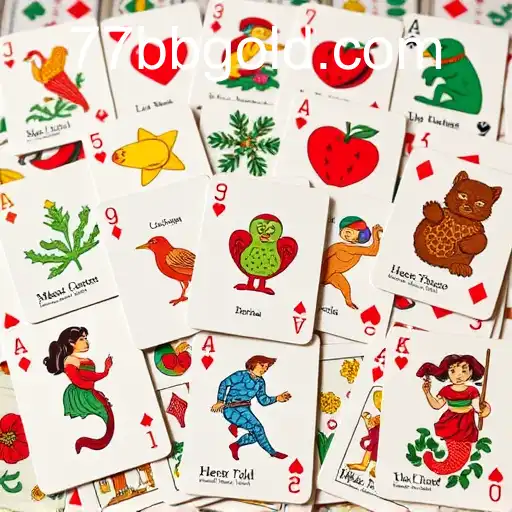
Central to the game of Loteria are its unique cards, each adorned with colorful imagery and a corresponding name. Traditionally consisting of a deck of 54 cards, these images range from natural elements to everyday objects, and each carries specific cultural significance. La Sirena (The Mermaid), El Corazon (The Heart), and El Diablito (The Little Devil) are a few of the iconic images that players match on their tablas or boards. The symbolic nature of these cards provides players with a window into the folklore, daily life, and iconography of Mexican heritage.
The Role of the Cantor
Integral to the experience of Loteria is the figure of the cantor, or caller, who announces each card with a traditional or clever phrase. These verses often contain riddles, proverbs, or humorous anecdotes, adding an element of storytelling to the game. It is the cantor's role to engage players, ensuring an interactive atmosphere that blends competition with camaraderie.80a.com
Playing the Game
Loteria is played with players selecting a tabla or board that contains 16 randomized images from the deck. As each card is announced, players mark the corresponding image on their boards. The first to complete a predetermined pattern, such as a row or a full board, shouts "Loteria!" and claims victory. While the game is straightforward, the communal aspect is what truly enriches the experience, creating a social space where stories are shared, and cultural knowledge is passed down.
Loteria's Modern Influence
In contemporary times, Loteria has seen a resurgence in popularity, celebrated and reimagined across different media. Artists and designers reinterpret the traditional images, often infusing them with modern themes or social commentary. This revival has expanded Loteria's influence beyond its traditional circles, introducing it to broader audiences and international recognition. At the same time, these modern versions help preserve a cultural and historical narrative for future generations.755T.COM
Loteria in Popular Culture
Loteria’s imagery and themes have permeated various facets of popular culture. From fashion and graphic design to literature and digital media, the visual language of Loteria is both nostalgic and refreshingly contemporary. This adaptability ensures its enduring presence and relevance, continuing to inspire artists and creators globally.
Educational and Cultural Value
The educational value of Loteria cannot be understated. It fosters an appreciation for cultural heritage and tradition. Schools and community organizations often use Loteria as a tool to teach language, social studies, and art. By engaging with the game, participants gain insights into Mexican culture, its values, and history, making Loteria an essential component in cultural education and preservation.
The Game as a Bridge
For many immigrants and their descendants, Loteria serves as a bridge, connecting generations and communities to their roots. It provides a shared experience for families, reinforcing cultural values and memories. The collective enjoyment of Loteria not only bonds individuals through play but also strengthens the fabric of cultural identity across borders.
The Artistic Legacy of Loteria
Artists inspired by Loteria often explore themes of identity, history, and narrative in their works. The iconic imagery transcends time, echoing through paintings, sculptures, and installations. This artistic legacy ensures Loteria’s images continue to resonate with diverse audiences, reinforcing their place within the broader spectrum of cultural arts.38P
Conclusion: The Timelessness of Loteria
While Loteria may manifest in various forms and interpretations, its core remains unchanged. It is a celebration of tradition, community, and creativity. As players engage with the game, they partake in a lively tradition that bridges past and present, ensuring that Loteria continues to thrive as a cherished cultural icon.
28S.COM